
The London to Brighton cycle is one that most people can achieve with moderate fitness levels and very little preparation. The more preparation you can do, the more fun you’ll have on the day, but if your goal is to just finish, this is possible too.
When training for a long distance cycle ride, there are lots of different angles you need to think about, including making sure you have the right equipment, learning how to fuel up, and actually improving your general fitness. If you’re training for this challenge with very little time to spare, we have some top tips to help you make sure you’re ready for race day.

Establish a training routine
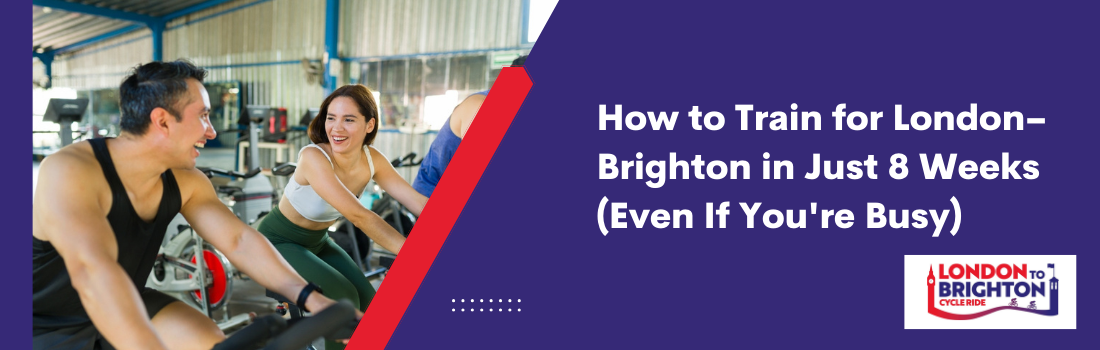
You already know that you are busy, so it’s time to be realistic about when you can train. Ideally, you’ll want to train 2-3 days a week on your bike and then include some additional low intensity training days to improve strength and flexibility. You might need to train before or after work, or include some lunchtime training sessions. Spin classes can be a highly effective way to build the muscles and stamina you’ll need on race day.
During the week, aim for short bouts of high-intensity training, and then use your weekends for longer rides to help build up your distance. The distance is 55 miles, but you don’t need to reach this distance in your training. You can safely reach around 80% of the goal, provided you know you’ll have a little extra left in the tank on race day.
High intensity interval training will help to increase your cardio fitness while also strengthening key muscles. Don’t neglect things like core training, as this will be essential for keeping you comfortable in the saddle.
Work on your nutrition
You can’t out-train a bad diet, and when it comes to fast training plans, you need to be confident that you are fueling your body for the challenge ahead. You’re going to need protein to build muscle and carbs to fuel them. You’re going to be burning more calories, so try to avoid eating in a calorie deficit. This could lead to injury and illness, as your body will prioritise burning fat over improving your cardio fitness.
You’ll also need to explore how you’re going to fuel yourself on race day. Some riders pack a sandwich they can eat on their bikes, others rely on performance gels, while others will turn to gummy sweets. Whatever you choose, make sure you are confident you’ll be able to fuel up while riding.

Focus on the fundamentals
The importance of sleep and hydration cannot be overstated when it comes to distance cycling training. If you aren’t getting enough rest, you’re going to put yourself at increased risk of injury, as your body won’t have the time to heal following intense training sessions. Aim for around 7-8 hours per night, but more than anything, focus on getting up at the same time every day. Your body thrives in a regular rhythm state, so waking at the same time can often undo some of the damage done from not getting enough sleep every night.
You should also make sure you are prioritising hydration, as you can’t afford to be training while dehydrated. This is more likely to lead to muscle cramps, which could lead to injury.
Check you have all of the gear
A key part of the training will be choosing the gear you are going to take with you on the day. You want to make sure you travel light, while still having gear for any possible weather condition. The last thing you want is to have to abandon your race because you don’t have the right gear for the conditions.
Train with your team
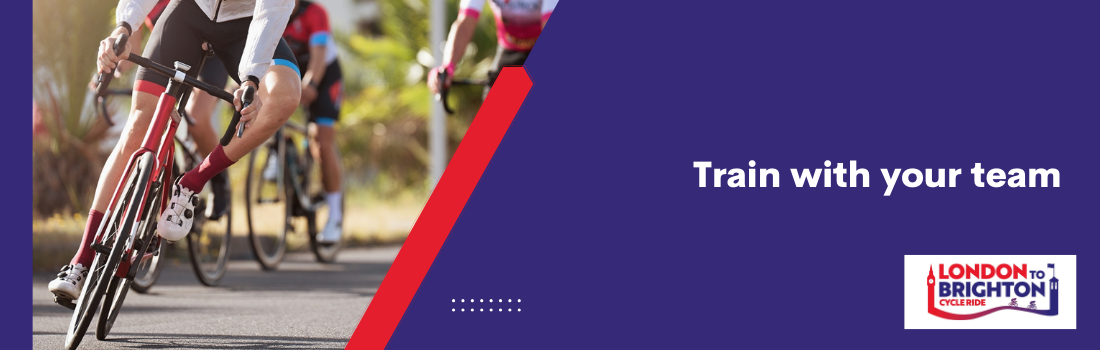
The cycle isn’t a solo race and you’ll have the support of your wider team. It makes sense to get some experience riding together on the road and learning your different roles. Some will ride up ahead, taking care of navigation and looking out for obstacles. The rest of the team ride together, making sure that the slowest rider is never left behind.
Final thoughts
It might seem like a short time to train, but you can absolutely get a lot done in 8 weeks. You’ll need to stay focused and on-track with your training, as there will be no room for excuses and missed training sessions. This is one of the reasons that it can be so beneficial to train with a team, as you’ll be able to back each other up and keep each other accountable.
Remember that most people with a moderate level of fitness would be able to complete this challenge without training, so anything that you do in preparation will simply help you to enjoy the day and improve your time.